“There is something fundamentally wrong with treating the Earth as if it were a business in liquidation.” – Herman Daly

We can’t preserve nature by coddling the “growing needs” of the very species destroying it. Mainstream environmentalism won’t fully acknowledge that people en masse are committing crimes against nature, even the ones who seem to care about it. A vague goal of always giving people “what they need” while achieving balance with nature is like trying to save a house from termites while allowing their colonies to grow and fester.
The evidence is clear when you get past the veneer of endless hope, techno-fixes and greenwashing. We should just admit it and drop the ruse of “sustainability” as more people consume more resources each day. Nature is under a long-term siege because “The Economy” demands it. A POTUS was elected on an EPA-gutting mandate while environmentalists engage in overpopulation-denial to avoid offending immigrants. Rare leaders who promote serious conservation are seen as weak, or enemies of individual freedom (to take as one pleases). Manifest Destiny still prevails, framing wilderness as a place to be feared more than respected. People actually trying to save the biosphere are caught in an expanding charade that bows to economic growth. Wise people should certainly keep trying, but not with optimistic rhetoric that ignores root causes and placates the masses.
Humans are genetically programmed to overcome nature’s hazards simply to stay alive. This includes ruthless survival tactics like lying and cheating to gain advantage. For many centuries these traits had limited impacts on ecosystems, then fossil fuels greatly amplified our ability to harm nature while also enabling a population explosion. The expansion of technology and consumerism turned us from survivors into destroyers. Even well-meaning people behave as if the power balance never shifted from nature to Man. They were born into a system that served their post-industrial ancestors and assume it must be “the way of the world,” so they keep obeying primal instincts in outdated context. They’ll say things like “what a crazy system!” as in fun-crazy instead of terminally corrupt. Some never contemplate the growing scale of human impact or simply don’t care. “People are basically good” doesn’t explain the true state of the world. The belief that God will decide when humans have gone too far is foolish since hardships occur with or without prayer. Christians who practice Creation Care are at odds with Genesis 1:28 and similar Bible passages.
Some conservatives gloat about polluting and pillaging nature, combining ignorance with evil. They also call environmentalism “socialism” when regulations cramp their style. The greedy see greed-control as liberty-infringement. The history of tetraethyl lead in gasoline is typical of toxicity driven by expediency. Its inventor also introduced CFCs, so “big government” regulations have saved many lives. Meanwhile, many liberals who claim to be Green are so concerned about being fair to other cultures that they ignore blatant problems like overpopulation and criminality. Or they push destructive technology like IWTs to protest coal, etc. This complex combination of greed and naivety prevents intelligent policies from being carried out on a meaningful scale. The wealthy may think they’re above nature’s laws while the poor often trash their surroundings, e.g. homeless camps, nonexistent regulations in third-world countries and tropical deforestation. “Environmental & social justice” overlooks shared flaws in human nature. Growing numbers of people from all ranks are stifling environmental progress.

In crude but accurate terms, this is how a lot of people think:
- I need stuff to live, so don’t question how I make money to get it. I’m special!
- Hey, look at their stuff! I need some of that to boost my image and reputation.
- I’ll do whatever it takes to get it, so screw the environment if need be. People first!
- Is it wise to destroy your very life-support system to accomplish this? (voice of reason)
- Look, I gotta feed my kids so get off my case. The guv’mint/tree-huggers just want to control me!
- The conversation ends there because they won’t rise above their genetic programming.
Modern cultures are obsessed with economic growth, business and being busy with an industrious, industrial attitude. Action for its own sake is favored over letting things be. Slogans like “work hard, play hard” and “no limits” defy conservation and restraint. Most modern work depletes resources and the mantra of progress is to constantly build something, either physically or monetarily. It’s considered lazy to halt the grind and let nature recover, except temporarily for fallow fields, clearcuts or overfished waters. Everything’s about stock indices, housing-starts and production capacity, measured in flawed GDP terms. The ethos of “hard work” is seen as moral, regardless of what’s being sacrificed. One can feed a family designing war machines, or with barely ethical FIRE Economy schemes, including pyramids and Ponzis. Environmental shortcuts are inevitable in difficult, dirty jobs like mining, drilling, logging, construction and vehicle repair. The unnatural tedium and effort creates a mindset of “dump it in the creek so we can go home.” Workers are told to be grateful for miserable slogs that serve 24/7 manufacturing cycles and superfluous marketing, and union-busting is the trend. Countless jobs require hustling, lying and searching for loopholes, with no shortage of sleazy people willing to do it. Also, the words build and produce are not defined honestly. People merely convert nature into forms convenient to our species with little regard for balance. True production is growth without depletion, like plants fertilized by natural decay. Finite replenishment cycles have been replaced by the infinite allure of fiat money.

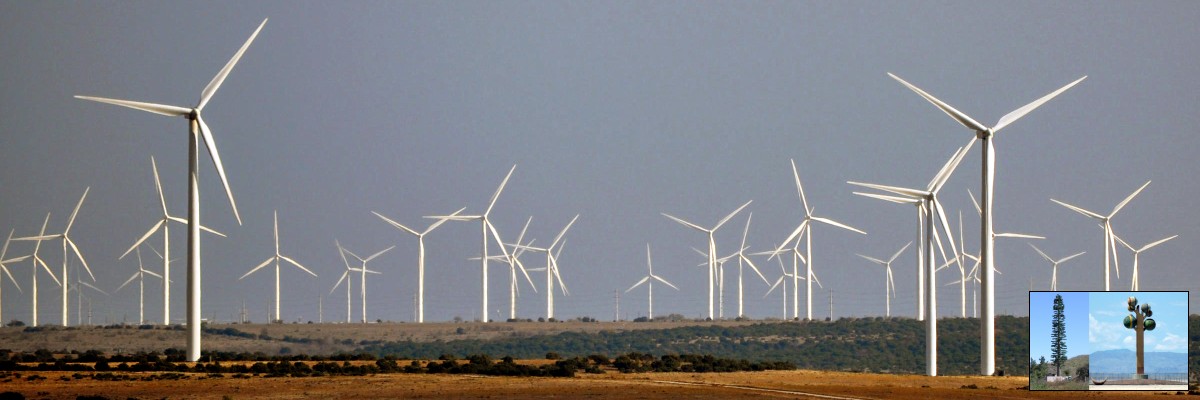
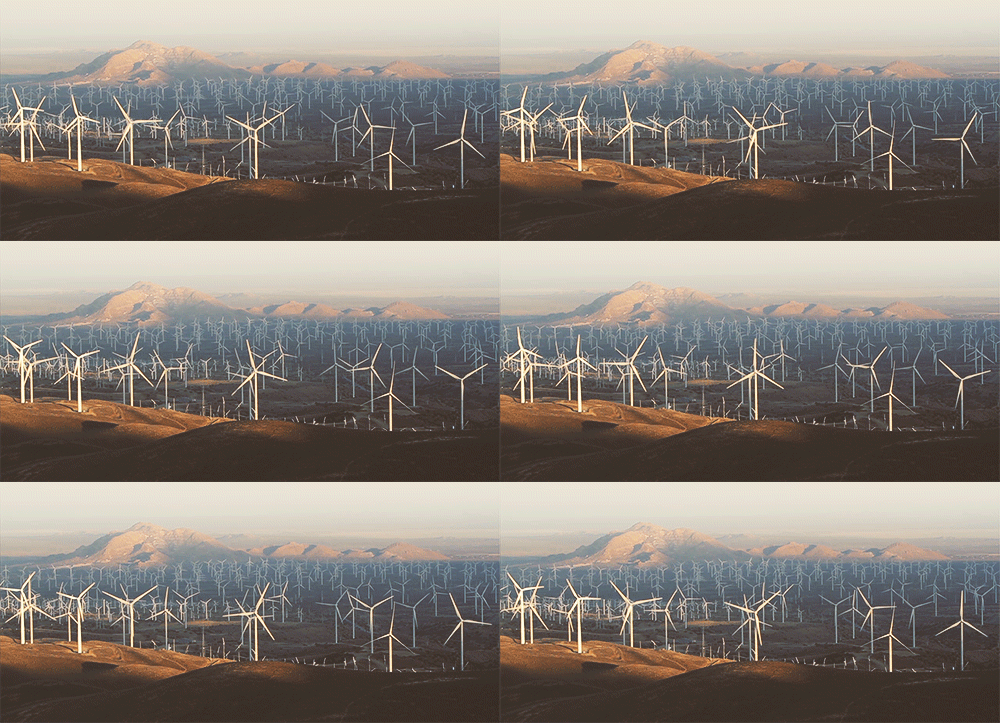
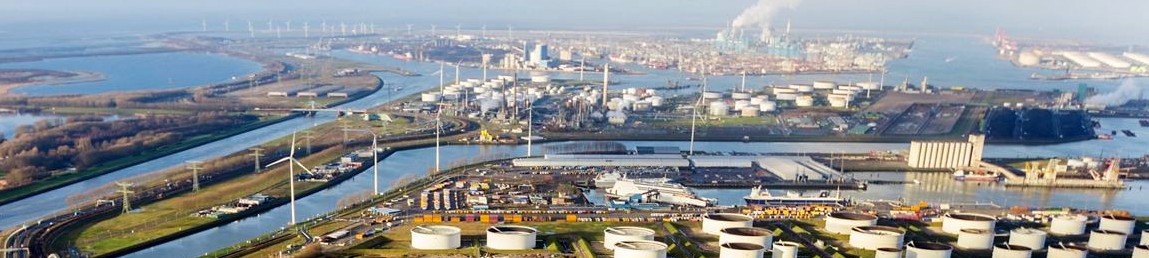
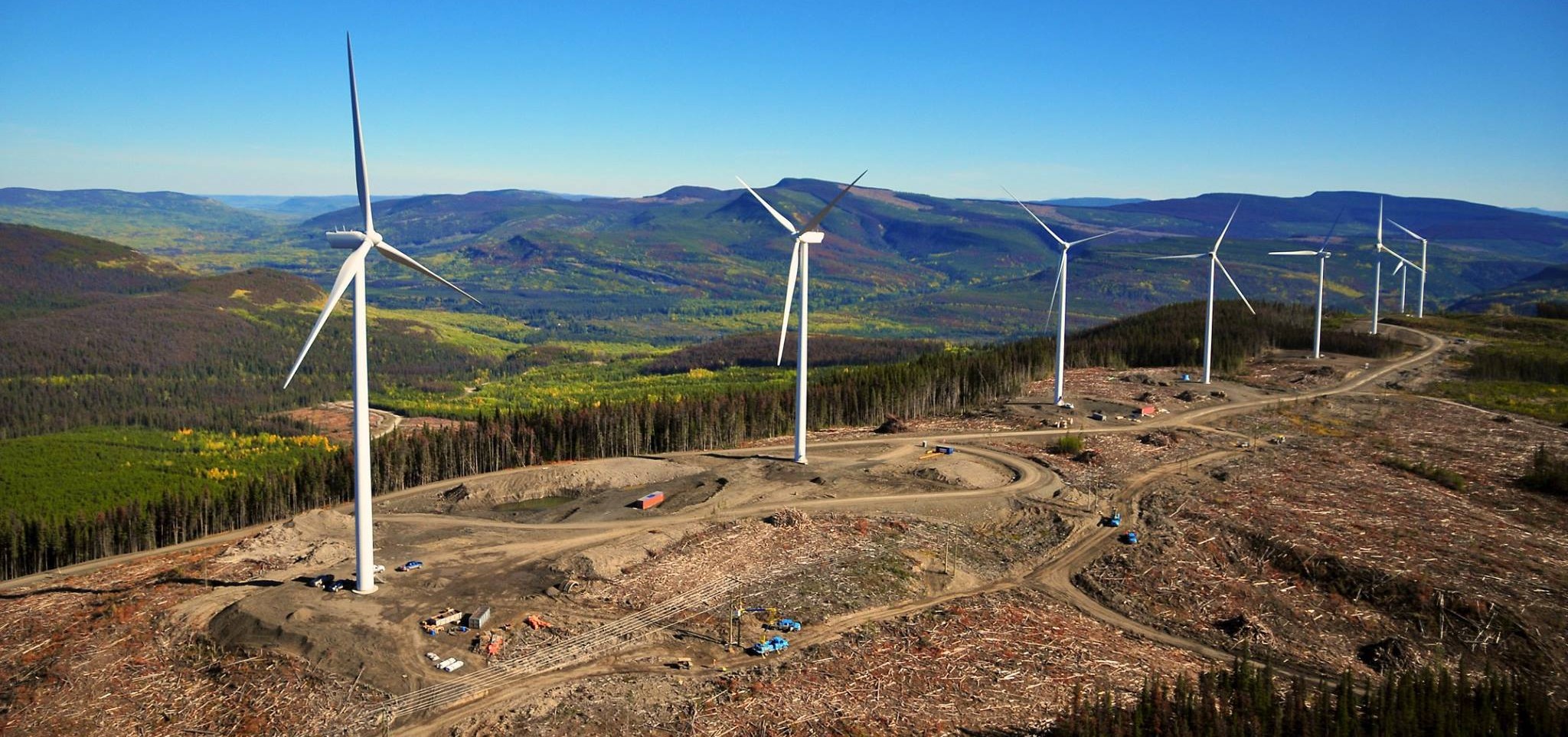
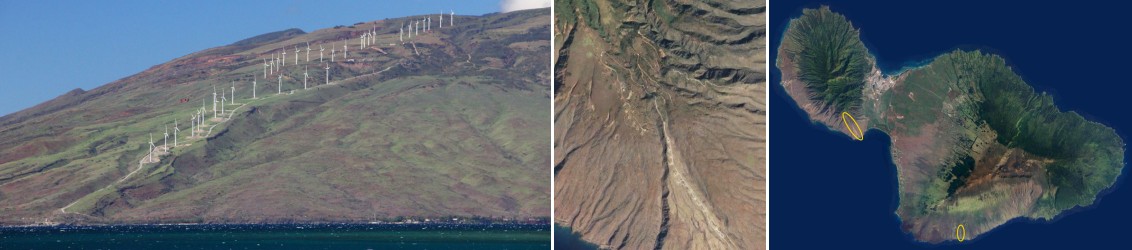
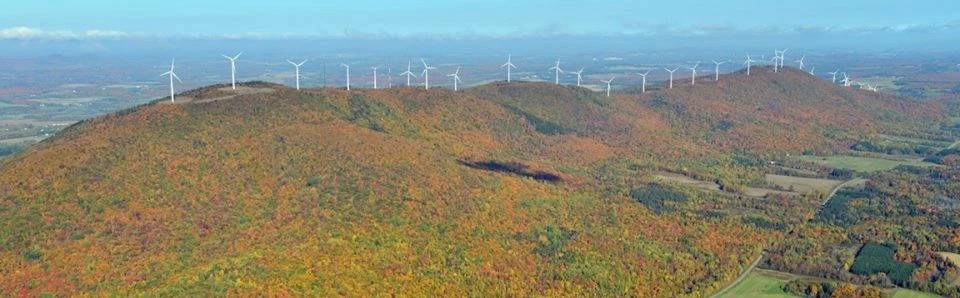
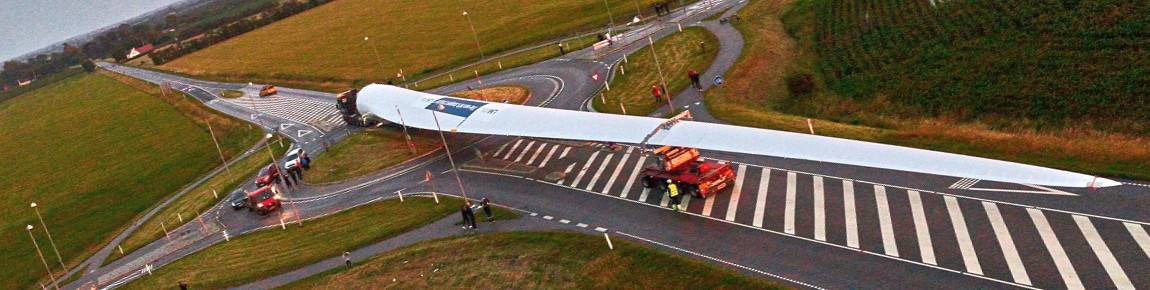
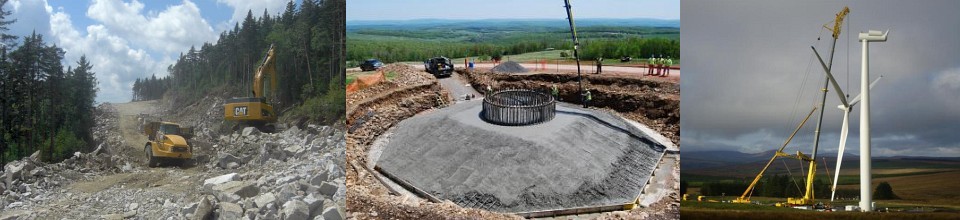
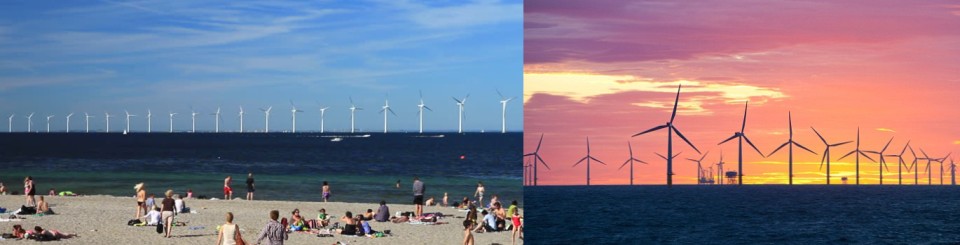
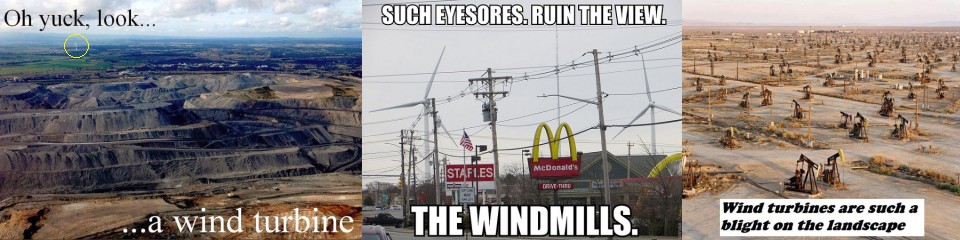
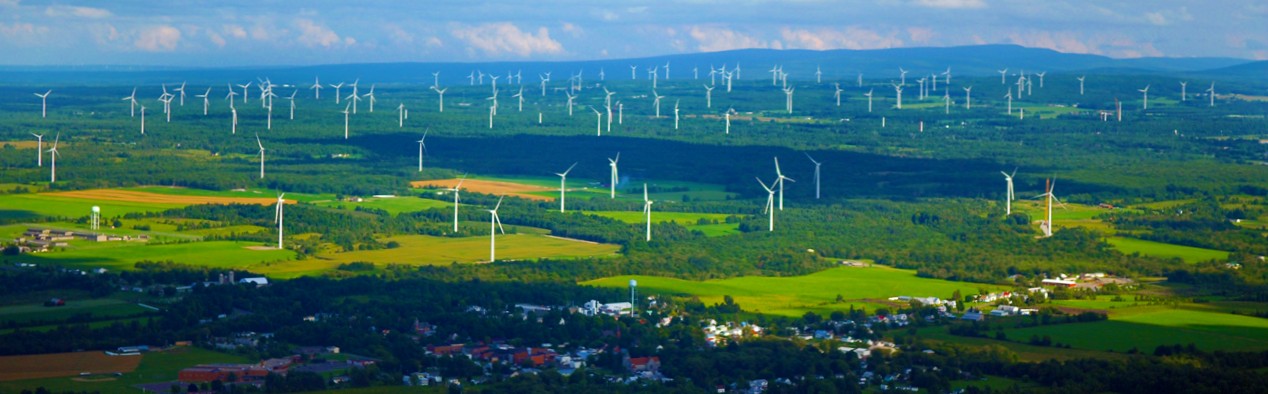
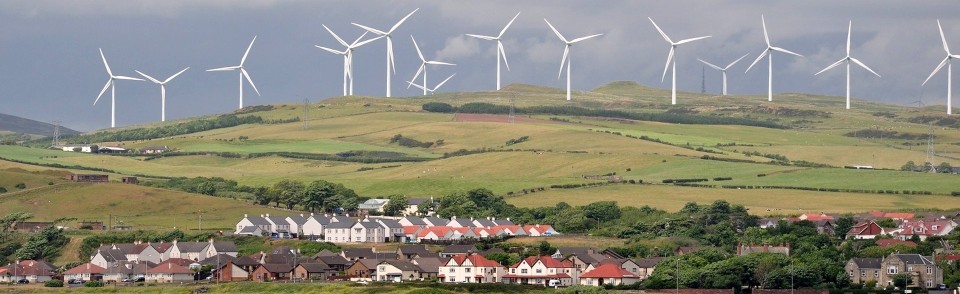
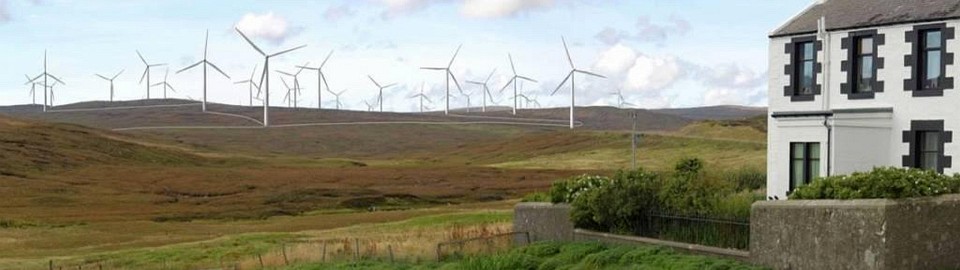
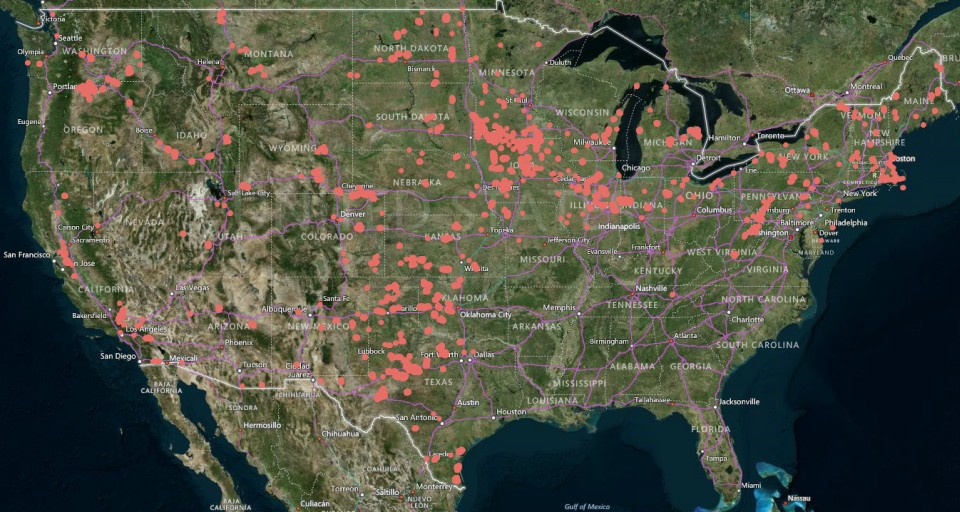
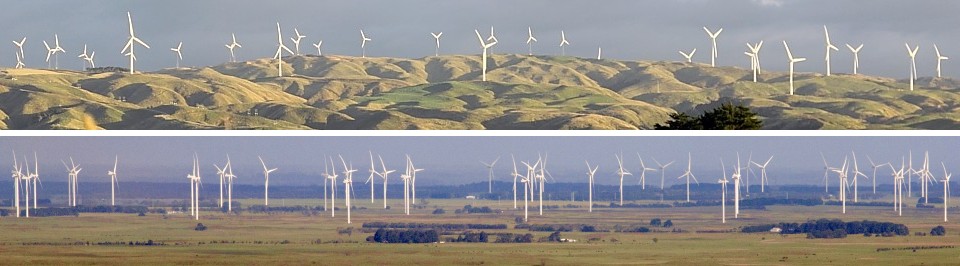
To ostensibly stop all this depletion, the term “renewable energy” gets thrown around, but it’s mostly a new spin on business-as-usual. Man has greatly escalated urban sprawl with things like industrial wind power, discussed at length in other posts here. The main differences between today’s “renewable” and non-renewable sources are partial energy offsets and green slogans. With the exception of dependable, high-ERoI sources like hydroelectric and geothermal, little of the infrastructure is viable without finite fossil fuels and mined raw materials for construction, maintenance and replacement. Greenwashing has millions of naive people convinced that destroying nature to preserve society is reasonable, so hard questions about overpopulation and restraint are unanswered by public policy.
Thanks to an artificial money system, people are the only species that keeps depleting finite resources to make a living. Money is seen as a resource unto itself rather than contrived compensation, thus physical commodity limits are disrespected. Other species don’t need to invent financial schemes merely to stay alive. They (and us to some extent) used to live in balance until we disrupted ancient systems and replaced them with unnatural growth. The mandate to constantly create jobs and build something (“green” or otherwise) drives most modern enterprises. Deliberate job-creation accommodates a surplus of labor and overpopulation. Intrinsically necessary work wouldn’t have to be schemed up or funded with credit, and it wouldn’t create landscapes that resemble mold growth.

Famous entrepreneur Elon Musk claims to be a green visionary but he’s more about technological showboating than conservation or preservation. He promotes the expansion of “clean” electricity for battery-powered vehicles, which means more wind turbines and solar panels invading open space (see energy sprawl). He’s also using SpaceX to litter low Earth orbit with a constellation of Starlink satellites, despite strong protests from astronomers. Lack of global space regulation gives him (and others, like Amazon) a loophole to try this scheme. It’s the same “disruptive” M.O. used by amateur taxi and electric scooter outfits that clutter-up cities and discourage mass transit. Musk’s initial goal was about 12,000 satellites, then it became a staggering 42,000. He’s well aware of space junk but has rationalized it away by tweeting “We need to move telescopes to orbit anyway.” Allowing restless billionaires to taint what’s left of nature is just wrong. Internet access won’t benefit remote “primitive” tribes who are already sustainable and don’t need to be corrupted by high-tech. The Internet is good in moderation but it’s also causing unnatural social problems and spreading viral lies. There’s no moral mandate to have access everywhere on Earth.
It’s hard to admit that true sustainability looks a lot like ancient hunting and gathering where resources manage themselves naturally (given a small enough population). Understandably, few want to revert to that lifestyle, except with temporary gestures backed up by modern gear. There’s a lot of contextual denial among “back to nature” types. If everyone tried to hunt, fish or survive on backyard farms, we’d quickly learn that agribusiness and dense livestock are the only practical way to feed huge populations. Many bushcraft practitioners make a living from videos these days. The worst hypocrites travel the globe killing wildlife as professional hunters, or enjoy the crass sport of bass fishing with speedboats. Look at how many jobs are based on recreation that mimics true needs from pre-industrial times. Nature needs to survive our growing harshness, not the converse; at least to the point where we destroy its ability to support us. It’s become a contest to see which happens first, Peak Oil or major AGW impacts, both of which are ignored by utilitarian commerce.

So-called victories for the environment tend to be islands in a sea of development, and have done relatively little to stop habitat fragmentation. People will save what they perceive as a special grove of trees while clear-cutting the rest, as long as most don’t see it on a regular basis. An ex-logger’s attempt to showcase such hypocrisy backfired when he felled a golden spruce to draw attention to all the clear-cuts surrounding it. A parallel reaction (addition vs. removal) occurs when wind turbines are protested in places like Cape Cod while allowed to ruin vast tracts of lesser-known scenery. On the wildlife front, if a trophy hunter kills an iconic lion, elephant or giraffe they’re vilified online, but countless other animals are shot with the same mentality. The rationalization is that hunting licenses support conservation, but it’s mainly for popular game species, not endangered animals in different habitats.
Man’s ability to develop and denude the planet went viral when fossil fuels made the work much easier. If you study the duties of environmental professionals, you realize they’re mostly cleaning up messes and shuffling population growth into different areas. They have no way to stop the source of the growth, and developers pay them for image-control. Urban planners plan for more destruction while calling it balance. Hands-on efforts like untangling animals from fishing lines or relocating endangered species make little difference as more people put pressure on nature. When root causes are addressed, it’s usually worded to not offend the human perpetrators. You can see why nothing really changes.
Some neo-environmentalists have taken fatalism too far, like terminally ill smokers who believe in reincarnation (examples: 1, 2, 3). They use the demented argument that we can never completely destroy nature (minus runaway nuclear war) therefore “the planet is fine” because nature will “recover” after we’re gone. The degree of recovery and “after we’re gone” date are kept vague to accommodate all future suffering they’ve rationalized as acceptable. Would today’s extinct or soon-to-be species get regenerated, Jurassic Park style, assuming there’s anyone left with such technology? Do they think quality of life now is meaningless to all the species lucky enough to have survived human impact so far? That includes us, you know! The whole narrative is arrogant anthropocentrism, i.e. forget the planet that allows us to live and rescue us from our sins in the absence of viable life-support.
Another twist on fatalism is asking “What are YOU doing about it?” whenever environmental topics come up. For example, a crusty rancher who denies global warming might brag about planting 100 trees, as if that proves he’s mitigating CO2 while you aren’t. It’s a tactic of those who view everything in terms of their own property, not the wider planet. Many people will never own enough land to personally restore it, but if they did they could plant 1,000 trees instead of building a rifle range. It’s all relative to personal leverage. The implication that you must single-handedly do something big or you should shut up about the environment is like saying don’t criticize murder unless you’re a cop who can prevent a few. Of course that’s an imperfect analogy because environmental damage is done by countless “good guys” per society’s standards.
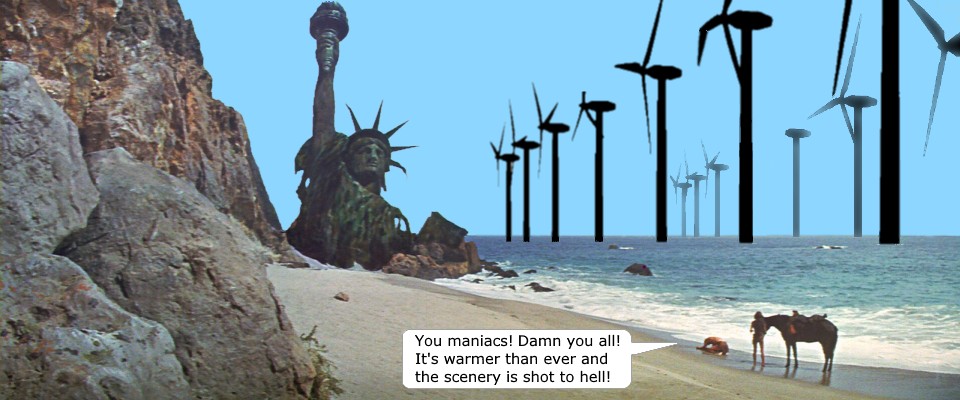
Movies have widespread influence and apocalyptic themes are popular because people know something’s out of balance, but root causes are usually sidestepped. Most plots are sympathetic to human failings or go overboard with zombie plagues and alien invasions. Others use shock value by making overnight catastrophes out of slow-moving problems, e.g. “The Day After Tomorrow.” It ends up inspiring apathy because people see it as unrealistic. In the ecologically-aware 1970s, the film “Z.P.G.” tackled overpopulation but sympathized with people bucking efforts to stop it. A similar plot occurred in “Children of Men” where mass infertility could have been seen as a reprieve from environmental ruin. In the real world, economic recessions mandate conservation but are seen as negative. “They Live” tried to blame consumerism on aliens, with people as hapless victims. “WALL-E” was praised for its environmental message but the director said it was just a subplot. The viral-humans speech in “The Matrix” told the truth, yet a virtual reality cure was unacceptable. Human interest or anti-government themes tend to drown out pragmatic solutions. A society with gravitas about overshoot would face the topic head-on without endless tangents. “Soylent Green” was one of the few films that got to the point, and deserves a sequel. The “nobody cares” scene in “Silent Running” was also truthful. Many television documentaries present grim environmental warnings but usually stay polite to the perpetrators. Educating the public doesn’t help without personal accountability. Billions of complicit people will have to be offended at some point.

If people were seriously planning to save nature it would be echoed in the things they do and say every day, but most still talk about making money (from depletion) feeling good and staying entertained. Watch and listen to your neighbors and co-workers. They’re generally ego-driven, hedonistic and impatient, with nature as a mere backdrop for their scarce leisure time. They keep electing leaders with similar values, then blame them for societal ills. The relative few who make sacrifices for the environment (beyond token recycling) or live at a slower pace are seen as “not with the program.” The Internet provides some hope with an echo chamber of wise people fighting all this denial, but they’re vastly outnumbered. If you talk among average people about what’s really happening you’ll be called a doomer, or get blank stares as the subject is changed to something upbeat, especially at work where it’s understood that “we’re here to make money.”
One grain of hope is that religious leaders can convince people to worship nature over anthropocentric gods, and not be ridiculed as pagans. Endless sermons tell people to live for a higher purpose, but it usually comes back around to them at the center. Creation Care advocates and preachers like Michael Dowd are trying to shift the focus to nature, and Pope Francis seems partly enlightened, but we really need a mass behavior-shift miracle. Many “doomer” articles offer hope at the end but ecological epiphanies are unlikely. So far there’s no evidence that enough people care about their true source of life to protect it from profit-driven sprawl and banality. This doesn’t mean don’t try your best, but more damage can be caused by making hasty choices when you don’t see root causes.
This page may be updated with new information. If you cite it, please post the link instead of a snapshot.